Ugandan Culture: A Tapestry of Traditions
Uganda, the Pearl of Africa, boasts a rich and diverse cultural heritage shaped by its numerous ethnic groups. From the rhythmic beats of traditional music to the vibrant colors of handcrafted art, Ugandan culture offers a captivating experience for visitors and a source of pride for its people. At "Ekisakaate Cultural Initiatives," we are dedicated to preserving and promoting this unique heritage.
Music and Dance: The Soul of Uganda
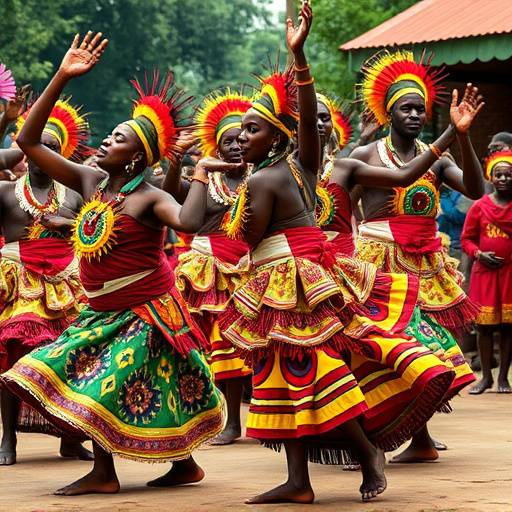
Music and dance are integral to Ugandan life, accompanying every celebration, ritual, and social gathering. Each ethnic group has its own distinct musical styles, instruments, and dance forms. The Baganda, for example, are renowned for their energetic drumming and graceful dances like the Kiganda dance. The Acholi are known for their vibrant courtship dances, while the Bakiga perform the Ekitaguriro, a dance that showcases their strength and agility.
Traditional Ugandan instruments include the ngoni (a stringed instrument), the endere (a flute), and various drums, each contributing to the unique soundscapes of the country. Several Ugandan musicians and dance groups, like the "The Nile Beats Ensemble", are internationally recognized and perform regularly in Kampala and abroad, carrying the rhythm of the Pearl of Africa to every corner of the world.
Art and Craft: Expressions of Creativity
Ugandan art and craft reflect the country's natural beauty and cultural traditions. From intricate wood carvings to colorful woven baskets, Ugandan artisans create stunning pieces that tell stories and preserve history. "The Crafts Village of Mukono" is a popular center that allows local artisans to sell crafts to tourists.
Bark cloth, traditionally made by the Baganda people, is a unique and sustainable material used for clothing, crafts, and ceremonial purposes. Pottery, beadwork, and metalwork are also common crafts, each reflecting the skills and creativity of Ugandan artists. The 'Uganda Arts Collective,' organizes exhibitions to showcase the best of the contemporary Ugandan art scene.
- Wood Carvings: Intricate sculptures of animals, people, and mythical figures.
- Basketry: Colorful and functional baskets woven from natural fibers.
- Bark Cloth: A sustainable and versatile material made from the inner bark of trees.
- Pottery: Earthenware pots and vessels used for cooking and storage.
Cuisine: A Culinary Adventure
Ugandan cuisine is a delicious blend of flavors and textures, influenced by the country's diverse ethnic groups and abundant agricultural resources. Matooke (steamed green bananas) is a staple food, often served with groundnut sauce, meat, or vegetables. Other popular dishes include posho (maize flour), cassava, sweet potatoes, and a variety of stews and curries.
The use of fresh herbs and spices adds depth and complexity to Ugandan dishes. A Ugandan rolex (Chapati and eggs) is a popular street food item available almost everywhere in the country. Local markets, such as the "Owino Market" in Kampala, offer a glimpse into the vibrant food culture of Uganda, with vendors selling fresh produce, spices, and traditional snacks.
| Dish Name | Description | Main Ingredients |
|---|---|---|
| Matooke | Steamed and mashed green bananas | Green bananas |
| Posho | Maize flour porridge | Maize flour, water |
| Groundnut Stew | Stew made with groundnut paste | Groundnuts, vegetables, meat |
| Rolex | Chapati wrapped around eggs | Chapati, Eggs, Vegetables |
Cultural Events and Festivals
Uganda hosts a variety of cultural events and festivals throughout the year, offering visitors a chance to experience the country's vibrant traditions firsthand. The Buganda Royal Wedding Anniversary, held annually in Kampala, celebrates the marriage of the Kabaka (King) of Buganda and Queen Nnabagereka.
The Imbalu circumcision ceremony, practiced by the Bagisu people, is a significant cultural event that marks the transition of young boys into adulthood. The Nyege Nyege Festival, held in Jinja, is an international music festival that showcases the diversity of African music and culture. These events are organised in close collaboration with the 'Ministry of Culture and Heritage' to showcase authentic Ugandan culture.
- Buganda Royal Wedding Anniversary: Celebrates the Kabaka's marriage.
- Imbalu Circumcision Ceremony: A Bagisu rite of passage for young boys.
- Nyege Nyege Festival: An international music festival celebrating African music.
- The Bayimba International Festival of the Arts: Multi-Disciplinary Art festival.
Historical Sites: Echoes of the Past
Uganda is home to numerous historical sites that offer glimpses into the country's rich past. The Kasubi Tombs, a UNESCO World Heritage Site, are the burial grounds of the former kings of Buganda. The Namugongo Martyrs Shrine commemorates the Ugandan Christians who were martyred in the late 19th century.
Fort Patiko, built by Samuel Baker in the 19th century, is a reminder of Uganda's colonial history. These sites provide valuable insights into Uganda's cultural and political evolution. The 'Uganda Heritage Trust,' led by Dr. Miriam Nabwami, ensures the sites are preserved for future generations through diligent archiving and restoration projects.
- Kasubi Tombs: Burial grounds of Buganda kings (UNESCO World Heritage Site).
- Namugongo Martyrs Shrine: Commemorates Ugandan Christian martyrs.
- Fort Patiko: A historical fort built during the colonial era.
- Bigo bya Mugenyi Earthworks: Ancient earthworks, presumed to be of cultural and historical importance.
Preserving Ugandan Culture for Future Generations
At Ekisakaate Cultural Initiatives, we are committed to preserving and promoting Ugandan culture for future generations. We work with local communities, schools, and organizations to raise awareness about Ugandan heritage and encourage its appreciation and preservation. Our programs include cultural education workshops, traditional music and dance performances, and support for local artisans and craftspeople.
We believe that by investing in Ugandan culture, we can create a more vibrant and prosperous future for the country. We work closely with the Ministry of Tourism and the Uganda Tourism Board to enhance cultural tourism, thereby creating economic opportunities for local communities. Our director, Mr. Samuel Okello, envisions a Uganda where its rich cultural heritage is a source of pride and a key driver of sustainable development.